Amplifying voices for clean air
Our Amplifying Voices strand supports the communities who are most affected by air pollution to advocate for change.
Read more

Health effects of air pollution
Air pollution doesn’t affect everyone equally. We look at how different cities across the world are equitably improving air quality.

This is the second of two articles about race equity and air pollution. In our first article, we summarised the evidence around poverty, racism and air pollution. Now we look at examples of equitable action from around the world.
This is one of the core questions that the Health effects of air pollution programme wants to help answer. For inspiration, we looked at initiatives in other communities, cities, and countries that aim to address health inequalities related to air pollution, including research by Breathe Cities.
Strong universal measures (like national air quality standards or city-wide clean air zones) are essential for improving public health and tackling climate change. Strong standards, regulation, investment, enforcement, and broad action across major pollution sources set an important foundation for cleaner air for all. Framing air pollution as a universal issue can also help build support for ambitious action.
However, universal action, while essential, is insufficient to address inequalities in exposure and health harm from air pollution.
We’ve identified a number of practices for equitable clean air action that work across exposure, risk of harm, and power. These provide an ‘equity lens’ for ambitious universal action.
Generate and use community insight and lived experience alongside spatial, disaggregated, and implementation data. Pay attention to local power and delivery conditions.
Example: In West Oakland, California, residents and agencies combined emissions inventories, modelling, measurements, and community surveys through Owning Our Air. The community-led plan aimed to identify specific sources and locations driving exposure, including highways, truck routes, port operations, railyards, and industrial facilities.
Reduce pollution from the sources and systems disproportionately driving harm.
Example: Impact on Urban Health works in the London boroughs of Lambeth and Southwark and across the UK to influence polluters, policymakers, and investors. We aim to drive regulation and promote solutions in:
Efforts must go to areas or groups experiencing the triple burden i.e. where exposure, risk of harm, and limited power overlap and not just where air pollution levels are highest.
Examples: Bogotá, Colombia identified 14 priority areas for clean air zones by combining pollution data with socioeconomic indicators like health and income through their Urban Clean Air Zone programme. Public Health Wales combines universal standards with targeted interventions in high-pollution areas to protect those most at risk (Working together to reduce outdoor air pollution, risks and inequalities, PDF).
Go beyond consultation to genuine partnership. Strengthen community influence and institutional responsiveness so community insight can shape decisions, delivery, and accountability.
Example: Ekurhuleni in South Africa launched the country’s first local Just Transition Commission, bringing communities, workers and young people directly into clean air planning.
Clean air initiatives must be designed and implemented fairly. While long-term changes are phased in, those most at risk need protection earlier through enforcement, priority phasing, or protective measures. Air pollution reflects deeper inequalities. Clean air action that addresses health, economic, or political inequalities – for example, through better housing, decent green jobs, or building community power – strengthens both short-term support and long-term impact.
Examples: In the UK, Awaab’s Law requires social landlords to fix hazards like damp and mould quickly, prioritising tenants at greatest risk. Warsaw, Poland’s CARE programme addresses energy poverty while also improving air quality and reducing heating costs.
Measure not just whether overall air quality is improving, but also changes in equity, such as disaggregated air quality and health outcomes, community representation in air quality policymaking, or improvements in enforcement mechanisms in high-burden neighbourhoods.
Example: In West Oakland, California, the Owning Our Air action plan measures cancer risk and pollution by neighbourhood. It also tracks complaint-response rates to understand if concerns are being raised and heard.
Without an equity lens, clean air action risks reinforcing the inequities driving unequal harms. While different contexts will emphasise different approaches, what matters is being intentional about equity at every stage: in how we define problems, design solutions, implement interventions, and measure success.
The Health effects of air pollution programme already aims to equitably improve air quality in urban areas.
Based on the research highlighted here and in our article on the link between racism, poverty and air pollution, the programme will:
Continue to communicate confidently. By describing air pollution as a racial justice issue in our partnerships, influencing, and sector-wide conversations.
Stay inclusive. Centring race equity does not mean ignoring poverty or other forms of disadvantage. It means being deliberate about addressing structural racism as a system of harm, while also addressing poverty.
Evolve our practice. Continuing to raise awareness of racism as a driver of harm, from housing and healthcare discrimination to under-enforcement of clean air laws in racialised areas. The programme will design universal, targeted and barrier-conscious interventions, ensuring broad measures clean the air for all, while targeted action reaches those at highest risk, and access barriers are addressed. The programme will build community power by continuing to work with Black-led groups in Lambeth and Southwark to strengthen long-term organising capacity.
Health effects of air pollution
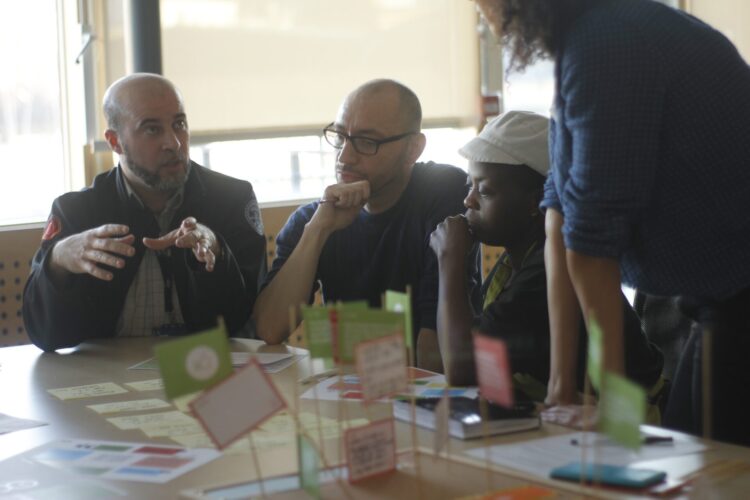
Our Amplifying Voices strand supports the communities who are most affected by air pollution to advocate for change.
Health effects of air pollution
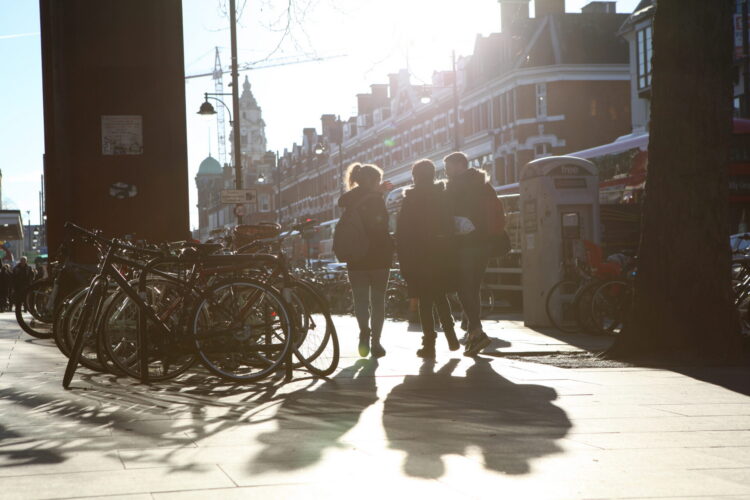
Racism, poverty and exposure to air pollution are interlinked. The ‘triple burden’ describes how people from racially minoritised and low income backgrounds have a higher risk of health issues due to air pollution.
Health effects of air pollution
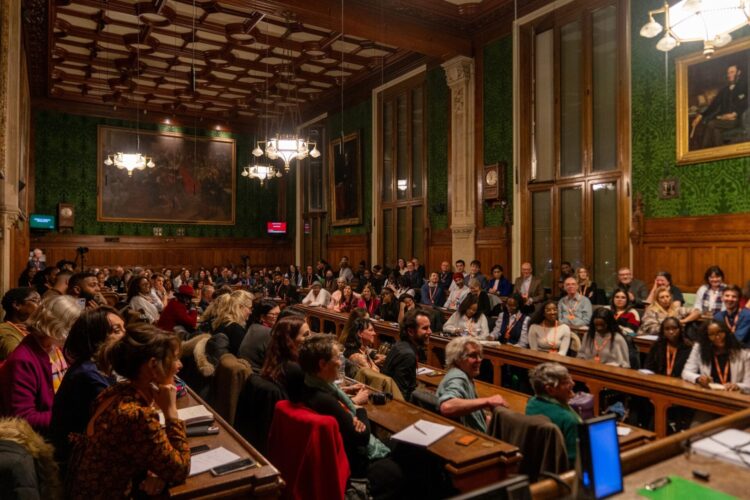
In February we joined a thought-provoking discussion in the Houses of Parliament, focused on the intersection of racial justice and air pollution. In this article, we set out our takeaways from the event, as well next steps.
Health effects of air pollution
We’re proud to support Asthma + Lung UK’s new campaign, which involves working with communities to better inform air pollution policy. In this article, Asthma + Lung UK explain the value of participatory policymaking.