The State of Urban Health: Report
This report summarises the most pressing insights emerging based on analysis of the urban and rural difference and what we heard through the qualitative research.
Read the report
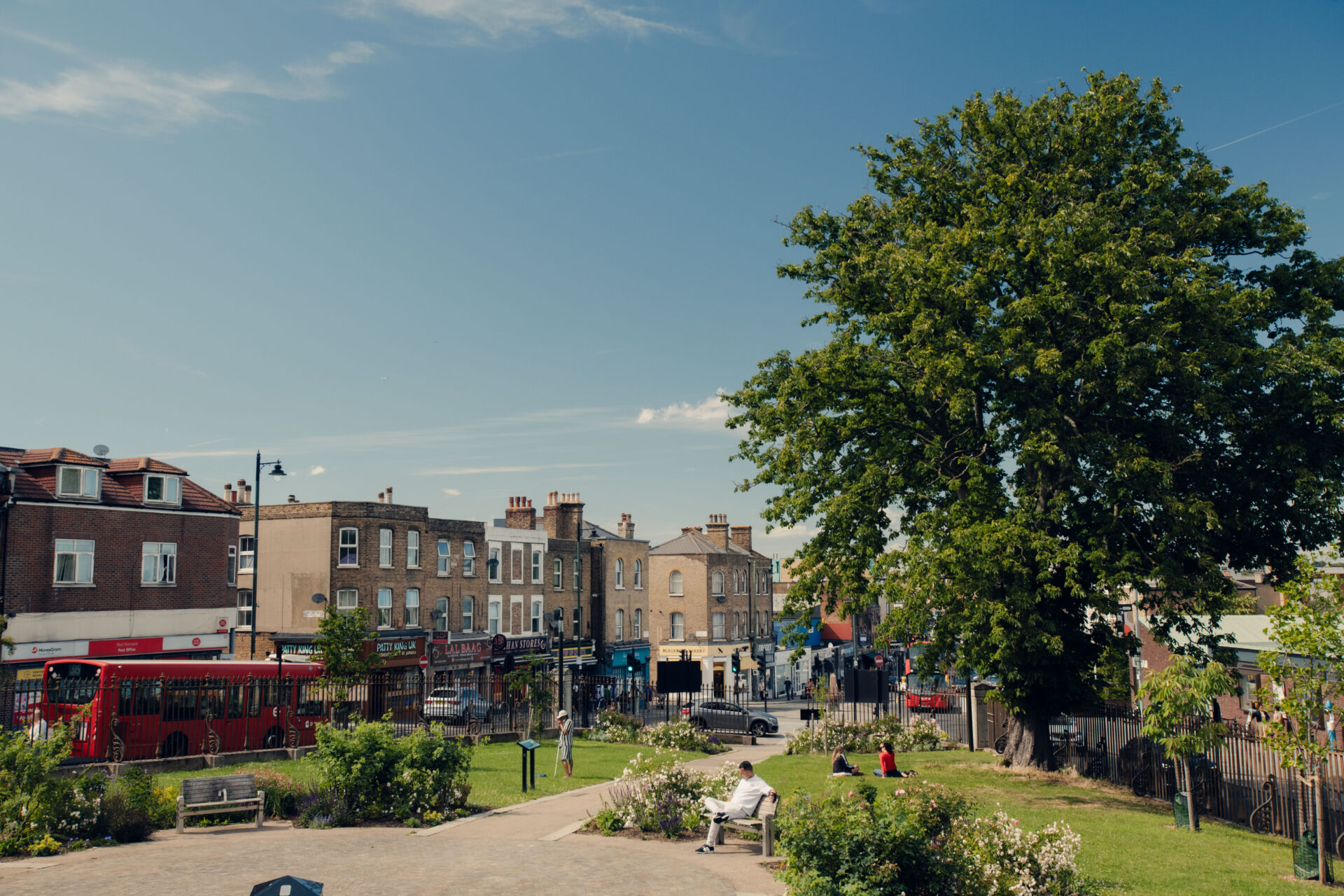
The State of Urban Health
New research provides one of the most comprehensive pictures of urban health in England to date.
Download the report (PDF) Explore the data Download the directory of themes (PDF)For most people in England, urban health is health. Urban life is where some of the starkest health inequalities are found. But these inequalities are not inevitable, they are preventable. The State of Urban Health reveals how place and systems shape health, and where action can change outcomes.
It combines analysis of over 120 national indicators with lived experience from residents and our partners in Lambeth and Southwark, alongside wider evidence. This research enables us to understand not only where there are inequalities, but how they are shaped by systems and experiences in daily life.
This report sits alongside a suite of data dashboards and resources, designed to make urban health visible, navigable, and actionable. Together, they provide a shared evidence base to explore inequalities in more depth and support more informed decision-making.
Urban life expectancy is shorter – and urban areas contain some of England’s starkest health inequalities. People living in urban areas can expect to live on average two years less than those in rural areas. And in urban areas the range of average life expectancy is much wider.
Living in deprived urban areas can more than double your risk of poor health. People living in the most deprived urban neighbourhoods experience preventable mortality rates more than two and a half times higher than those in the least deprived.
Poverty in urban areas is widespread – and for many children, it is the norm. In England’s urban areas, an average of around one in five children come from families living on low incomes, but in some areas, this rises to as many as nine in ten.
Health inequalities are structurally driven and shaped by racism and discrimination. Inequalities for people who experience racism persist across multiple outcomes related to health, including child mortality, housing, and employment, where people from minoritised ethnic groups experience worse outcomes.
Everyday environments and systems are undermining health. Overcrowding is higher in urban areas, air pollution remains a major health risk, and healthy food is often inaccessible or unaffordable.
Communities are clear on what needs to change. Some of the conditions needed for good health are trusted local relationships, accessible services, and stable community spaces.
Urban health inequalities are not inevitable – they are systemic and preventable. Urban health inequalities are not random. They are deeply concentrated within places and shaped by the conditions people live in every day, clustered within specific communities.
Based on the insights from this extensive research, we have two key recommendations for policymakers to improve the health and lives of people living in urban areas and increase health equity.
Appendix A: The technical appendix provides further detail on the research methodology.
Appendix B: The directory of themes provides a detailed bank of quotes from the qualitative research, that shows the breadth and depth of the insights and lived experience emerging from this work. It includes 634 quotes, organised by theme as outlined in the report.
Appendix C: The dashboard user guide is designed to help you navigate each of the interactive dashboards created as part of the research.
View or download the appendices below.
The State of Urban Health
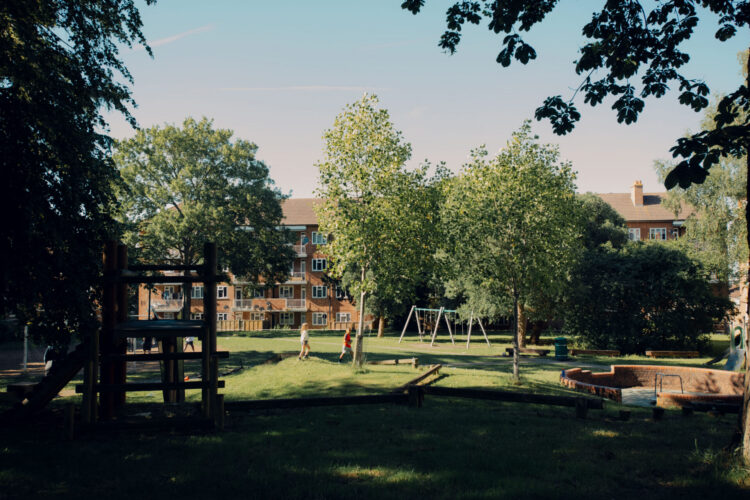
This report summarises the most pressing insights emerging based on analysis of the urban and rural difference and what we heard through the qualitative research.
The State of Urban Health
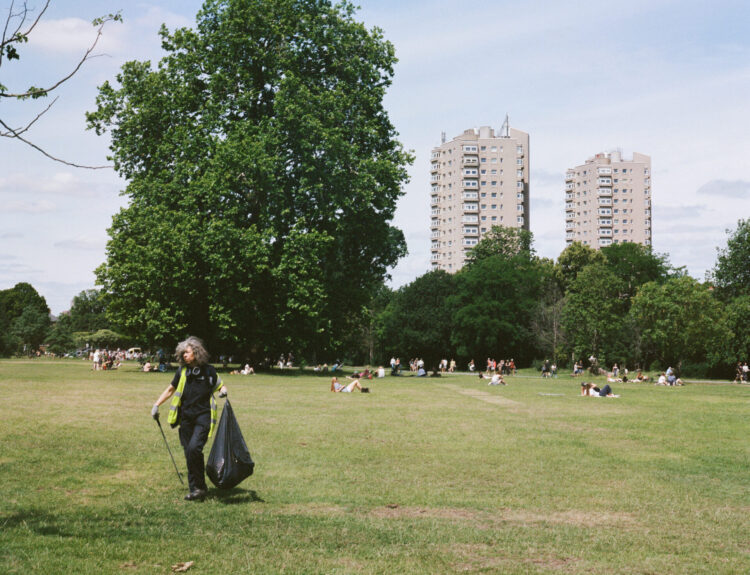
The interactive dashboards provide further access to the data we analysed allowing anyone to explore the full dataset, compare indicators across places, and look deeper into what interests them.
The State of Urban Health
The directory of themes provides a detailed bank of quotes from the qualitative research, that shows the breadth and depth of the insights and lived experience emerging from this work. It includes 634 quotes, organised by theme as outlined in the report.