Children’s health and food
We want to break the link between low income and poor nutrition, by improving the quality of food options in lower-income neighbourhoods.
Read more
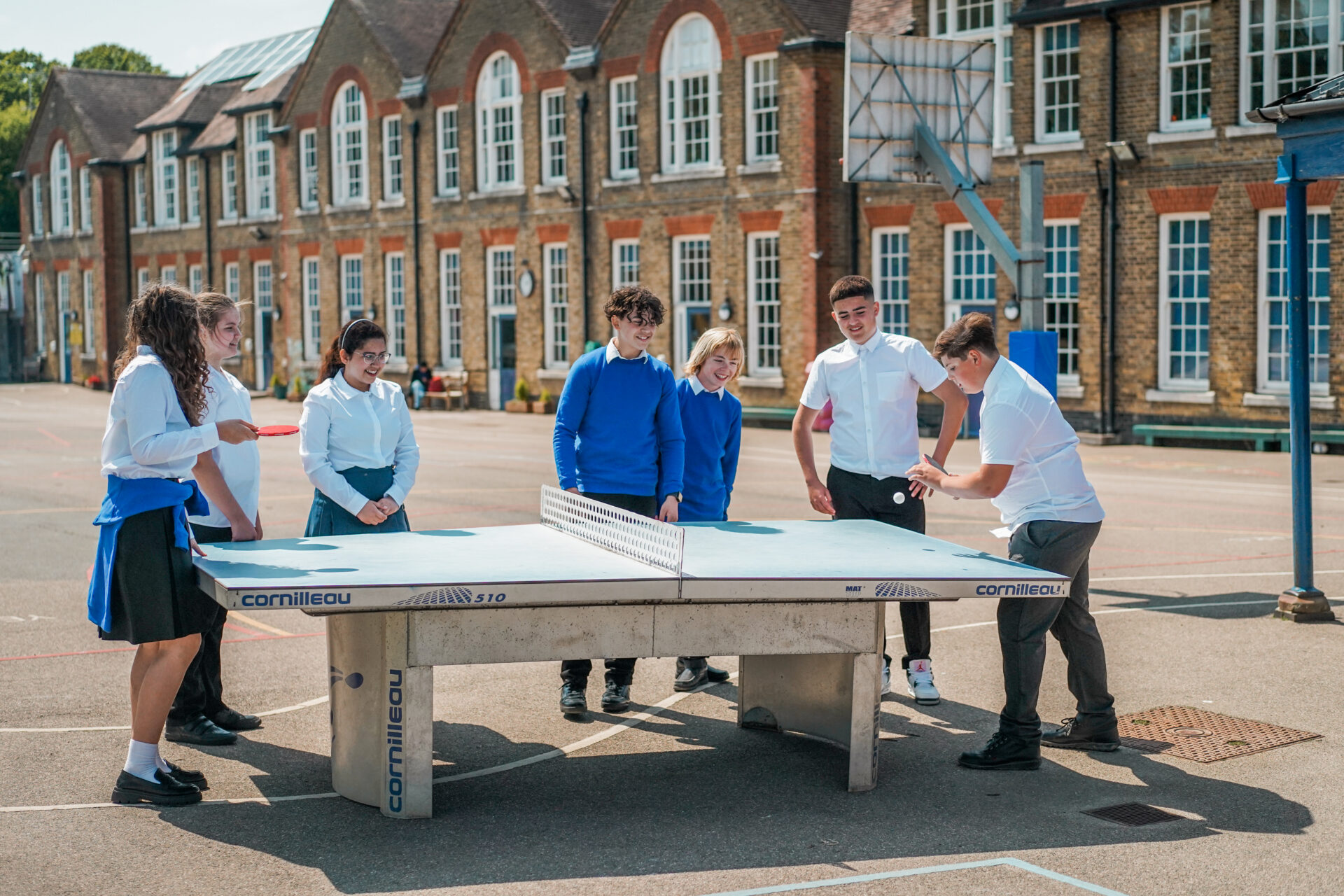
Children’s mental health
We’ve made the difficult decision to end our Children’s Mental Health programme earlier than planned.
Like many charitable organisations in the sector, Guy’s and St Thomas’ Foundation, of which we are part, has been undergoing an internal review to ensure our spending is on a long-term, sustainable footing.
As part of this process, we have had to make careful choices about where our funding can add the most distinct value, taking into account both the assets we have available and the wider landscape of funding and activity across different issue areas.
One of the difficult decisions we’ve taken is to wind down our Children’s Mental Health programme. While our programmes of work are not designed to run forever, and our focus will evolve as the external world does, this is not a decision we wanted to have to make at this point. It is not a reflection on the programme itself, the work of partners, or the importance of children’s mental health, which remains a critical issue locally and nationally.
Rather, it reflects a judgement about where, given the Foundation will be operating under constrained resources, we are best placed to contribute alongside others. There is significant activity from a range of funders and system actors investing in children’s outcomes. In contrast, our review found that we are likely to have the greatest additional impact by focusing our resources on our other three programmes (Children’s Health and Food, Financial Foundations for Adult Health, and Health Effects of Air Pollution). We remain committed to these three programmes.
This allows us to concentrate our efforts where we can play the most distinctive role, while recognising the continued importance of children’s mental health and the strength of the work already happening across the system.
The Children’s Mental Health programme has delivered outstanding work and since 2020 has supported over 100 partners to work towards a world where every child has access to the things they need to be healthy, feel safe, and reach their potential.
We’ve spoken to partners affected by this news, and plan to continue to speak to them as we define our plans to wind down the programme. We anticipate allocating some budget to the programme during its wind-down period – we are working through budgets for the next financial year so will have a clearer sense on this soon.
We plan to wind down the programme over the next 1-2 years and leave a lasting legacy, prioritising:
We acknowledge that there are still details to be worked out, but we wanted partners to hear this news from us as far as possible, to allow time to plan and ask questions.
We’d like to extend our thanks to all our partners and to everyone who has engaged with our work in this area. Please get in touch if you have any questions.
Programmes

We want to break the link between low income and poor nutrition, by improving the quality of food options in lower-income neighbourhoods.
Programmes
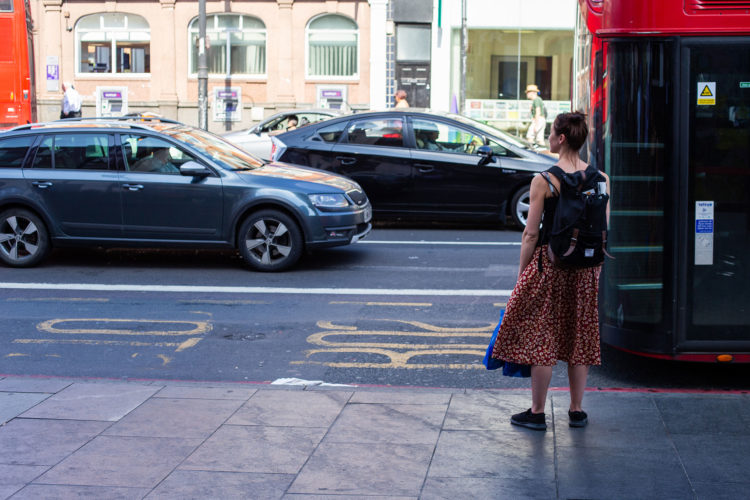
Our vision is a healthier world where everyone breathes clean air.
Programmes

Our vision is a world where everybody has the financial freedom needed for good mental and physical health.