Air pollution harms health across the UK, but the burden isn’t shared equally. The communities breathing the most polluted air are those already facing racial and economic injustice. The Environmental Audit Committee’s (EAC) new inquiry is a chance to change that.
Why the Environmental Audit Committee’s inquiry matters
In December 2025, the EAC announced its inquiry into air quality, following a public call for pitches, including one made on behalf of the clean air sector by Jemima Hartshorn of Mums for Lungs and Dr Nat Easton of the University of Southampton. The committee’s cross-cutting remit makes it well placed to act on an issue that spans many government departments, and its inquiry is likely to inform the Government’s next Air Quality Strategy.
When the inquiry was announced, the committee’s chair, Toby Perkins, described air pollution as an issue of equality, noting that it is often the poorest in society who are most exposed to its health harms. That framing is welcomed by the sector.
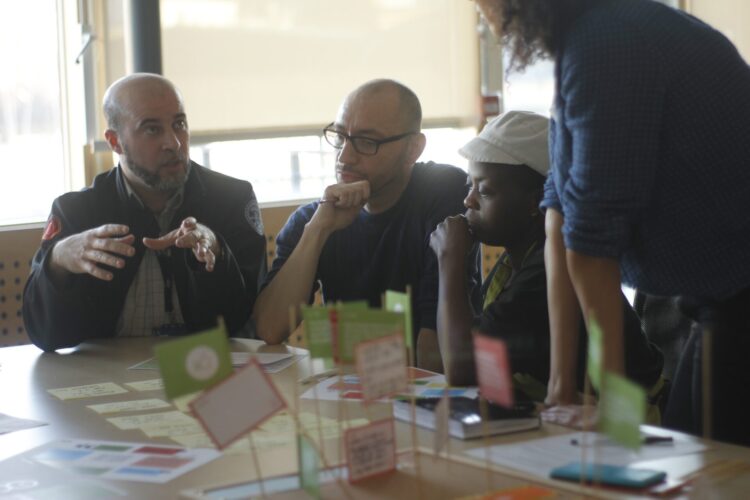
To help address the issue of inequality, we partnered with Green Alliance to organise a site visit bringing committee members into Southwark, around Old Kent Road, to meet the people living with the consequences of air pollution. We’ve written separately about why we believe policy should be made collaboratively with affected communities at the centre. This article is about what we want to see the EAC advocating for.
Air quality and equity
The committee already recognises that air quality is an equity issue, but its focus has been narrowly on poverty. The reality is more layered: exposure, risk and power break down along lines of race as well as income. Good policy must begin from that fuller picture and from a simple principle that clean air is a right, not a privilege of where you can afford to live. Everything below follows from that.
What are good air quality policies?
A legal right to clean air
The clearest ask to emerge from the day was a new Clean Air Act, in the spirit of Ella’s Law, with a binding pathway to the World Health Organization’s air quality guideline levels, interim targets along the way, and accountability to affected communities at each step.
By the end of the visit there was unified support in the room for it. When MPs asked whether London, with its relatively strong transport network, really needed to do more, the answer was clear: cost, reliability and coverage still fail many residents, and even the best city in the UK trails cities like Paris and Copenhagen. The ambition should be to lead, not to settle.
Equity built into policy
If policy is to reduce inequalities the communities most affected need to be involved meaningfully. And they must be paid for their time and expertise, rather than consulted as an afterthought.
Measuring equity impacts
Meaningfully embedding equity also means mechanisms such as citizens’ assemblies to bring people into decisions, and equity impact assessments which would track what actually happens to inequalities after an intervention rather than just whether average pollution levels fall.
Reducing pollution at source
The pollution that harms urban communities is concentrated by traffic, freight and construction, and policy should address it where it is produced. At Surrey Square Primary School, beside the busy Old Kent Road, pupils are already designing cleaner routes to school and rethinking how their streets work. It was inspiring and a reminder that children should not have to campaign for the air they breathe. Government needs to do far more to reduce air pollution at source and protect the children who live, walk and learn next to our most polluted roads.
A fair playing field for responsible businesses
At the Tustin Estate, the construction firm Bouygues showed how it’s going beyond the standards set by the Greater London Authority to cut pollution from sites to protect workers and nearby residents.
Local powers to deliver
Ambition needs structure: targets fit for protecting health, adequate statutory powers and long-term funding for local and devolved authorities doing the work.
What success looks like
In the short term, success means an EAC report with recommendations that match the priorities we heard on the day. In the long term, it means equitable action on air pollution, meaning reductions overall and where they are needed most.