


The State of Urban Health
New research provides one of the most comprehensive pictures of urban health in England to date.
Read more

Neighbourhood health means moving care closer to communities and recognising that health is shaped by the neighbourhoods we live in, with different areas facing different challenges and requiring tailored services. Neighbourhood health sits at the heart of the three shifts the Government intend to make to create an NHS ‘fit for the future’: from hospital to community, analogue to digital, and sickness to prevention. Recent progress on this agenda signals a clear determination to turn this vision into reality, placing greater emphasis on preventing illness and improving health.
We welcome that ambition; however, neighbourhood health will only realise its potential if it becomes more than reforms to the location of service delivery. Its greatest opportunity lies in creating the relationships, partnerships and mechanisms needed to take purposeful action on improving the wider conditions that shape health.
For decades, policymakers and researchers have recognised that health is shaped by much more than healthcare alone. The conditions in which people are born, grow up, live and work have a profound influence on their health. Yet responsibility for these factors is often fragmented, leaving public services responding to the consequences of poor health, rather than addressing its causes.
Neighbourhood health offers an opportunity to change that.
Done well, it could bring together health services, local authorities, voluntary organisations and communities to tackle the conditions that drive poor health and health inequalities. In short, neighbourhood health should not simply deliver the same services more locally. It should create healthier neighbourhoods for everyone.
This is not a new idea.
A hundred years ago, doctors George Scott Williamson and Innes Hope Pearse set out to answer a simple but radical question: What creates health?
Through the Peckham Experiment in south London, they concluded that treating disease was important, but of limited value if the conditions that caused ill health in the first place remained unchanged. In the purpose-built Pioneer Centre, health checks and information sat alongside opportunities for physical activity, swimming, games and workshops, and the Centre leased an organic farm to provide healthy food on-site. The co-located model enabled members to not just access health services, but improve their health through fun, community, and nourishing their spirits.
A century later, we are still grappling with the challenge of connecting health and place at scale.
In our towns and cities, we see some of the starkest disparities in health. Children living just streets apart can experience vastly different realities that shape their health. One might wake up in a home where mould grows on the walls, with parents struggling to make ends meet, and walk to school down polluted streets flooded with fast food outlets. Another child just a street away might benefit from clean air, nutritious food, and a financially secure home.
These differences compound over time and shape health long before someone enters a GP surgery or is admitted to hospital. They influence wellbeing, life chances and demand on public services, but they are not inevitable. They are the result of systems and decisions that can be changed and challenged.
At Impact on Urban Health, we focus our efforts on making urban areas healthier places for everyone to live. Through our work on healthier food environments, air pollution, children’s mental health, and poverty, we aim to improve the conditions that shape health and drive inequalities.
This is why we are encouraged by the neighbourhood health agenda. For us, its success will depend on whether it creates the structures and partnerships needed to take collective action on the wider determinants of health. Emerging structures such as Integrated Neighbourhood Teams (INTs) are an important part of this agenda, bringing together health, care, voluntary and community partners to work around the needs of a neighbourhood rather than the boundaries of individual organisations. Their composition should be shaped not by the NHS, but by local needs.
The promise of neighbourhood health lies in changing how organisations work together, and ensuring that the neighbourhood health agenda is about more than simply delivering the same care more locally. By bringing professionals working across the wider determinants of health – including air quality, food, housing and debt advice – into INTs alongside health services, neighbourhood health has the potential to tackle the conditions that make people ill in the first place. If it succeeds in mobilising collective action on these wider drivers of health, it has the potential to be transformative.
A hundred years after the Peckham Experiment, the lesson remains the same. If we want better health for all and to relieve pressure on NHS services, we must invest in the conditions that create health. The ambition towards putting joy back into health, as we saw 100 years ago in Peckham, is worth reaching for.
The opportunity is significant. We are keen to engage with others exploring neighbourhood health. If you’re thinking about these questions in your area, we’d love to hear from you.
This is the first of a series of blogs exploring the neighbourhood health agenda. In future pieces, we’ll examine issues including meaningful community involvement, how success should be measured beyond clinical activity and outcomes.
The State of Urban Health

New research provides one of the most comprehensive pictures of urban health in England to date.
Data
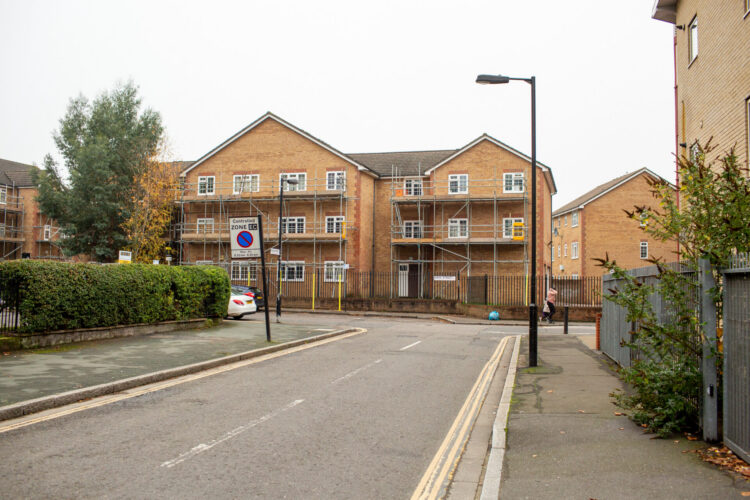
Some neighbourhoods in Lambeth and Southwark sit close to opportunities on the map but remain cut off from them - shaped by overlapping pressures in people's daily lives. The 2025 Urban Health Index reveals this overlooked pattern, and what it means for the people living it.
Financial foundations for adult health
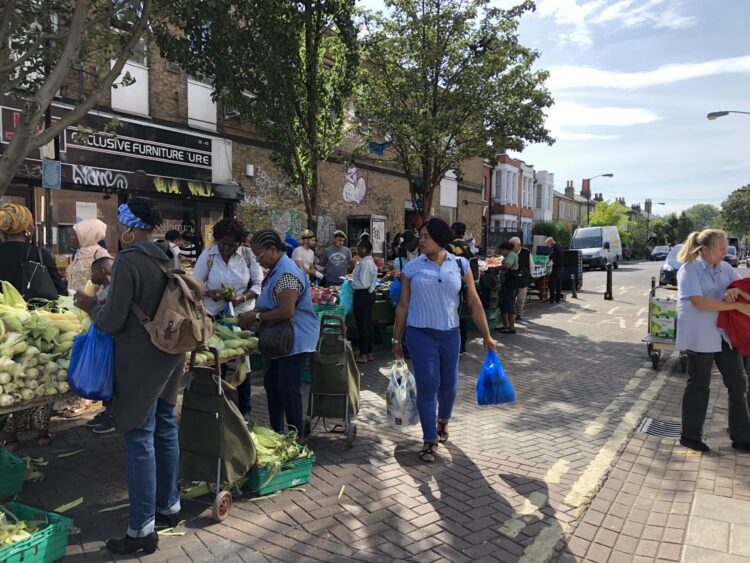
Penny Rimmer discusses how debt can impact mental and physical health, and why community-based debt advice can support the people most impacted by poverty and problem debt.