
Unprecedented times, familiar inequalities
Kieron Boyle explores what we've learnt since the first lockdown, and how we can collectively shift the dial on health inequalities.
Read more
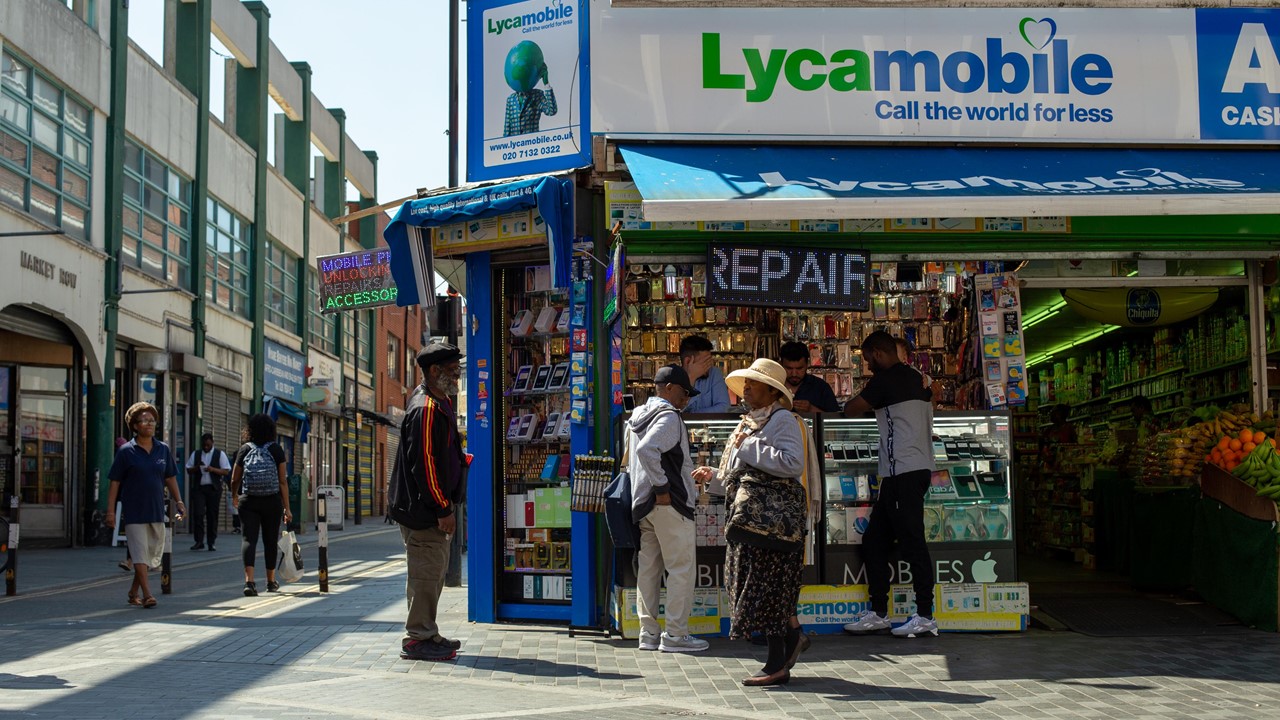
We cannot tackle health inequalities in the UK without acknowledging, understanding, and addressing the role structural racism plays in driving poorer health outcomes for people from Black and Minority Ethnic backgrounds.
We see through our programmes the powerful interaction between race and ethnicity and determinants of health. And we know that processes and decision-making around policymaking, public engagement or service design is still far from inclusive.
That is why we work in partnership with organisations from small community groups to multi-national corporations to make sure that the environments where people live and work improve health and promote equity. In the aftermath of COVID-19, which has disproportionately impacted people from Black and Minority Ethnic backgrounds, we have an urgent and shared responsibility for addressing structural inequity and promoting health.
Evidence and Impact Director Anne Kazimirski shares how we use evidence both to inform our programmes and influence national and international policy.

The pandemic has fast-forwarded a clock on urban health patterns that were there all along. Health institutions cannot tackle this alone.
We're learning about how people in other cities are addressing urban health and the impacts of living in urban environments.