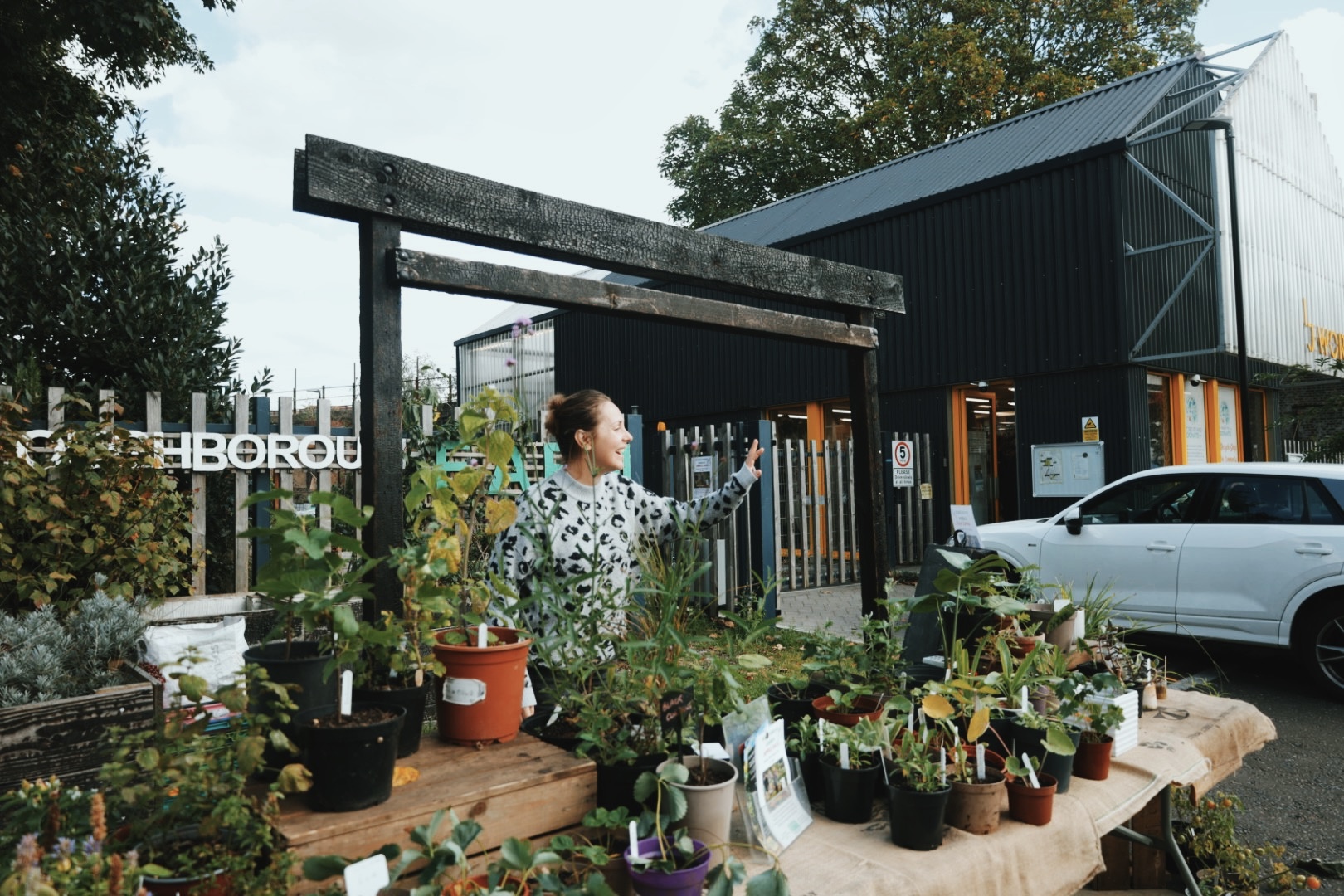
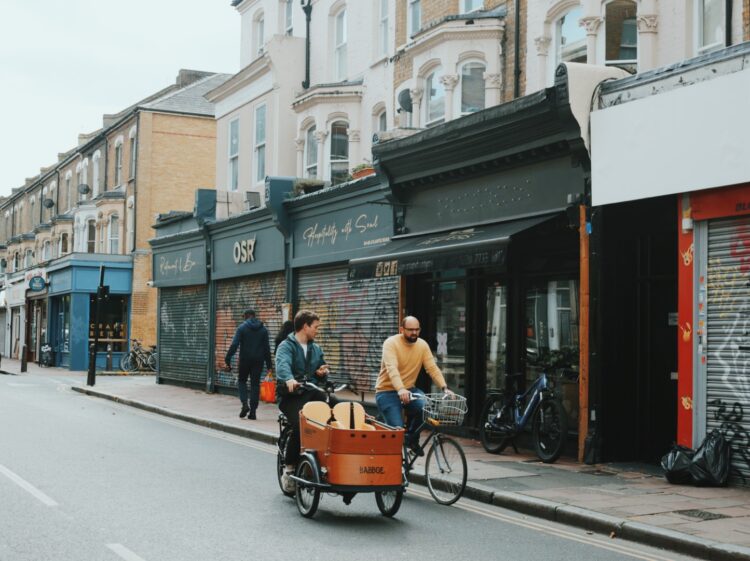
Our health is shaped by where we live. Walk down any high street in Britain and you’ll pass the things that shape our health more than most of us realise: The food on the shelves, the air we breathe, and the strength of local services.
The Government’s 10 Year Health Plan recognises this simple truth about health and environments, and it promises a shift toward preventing people becoming sick in the first place.
Our submission to the Treasury sets out four ways the Budget could back the Government’s commitment, and in a way that addresses health inequalities.
1. Fund neighbourhood health plans properly
The Government has committed to establishing 250 Neighbourhood Health Centres, largely by upgrading existing NHS buildings. That’s welcome, but buildings alone won’t deliver joined-up care. The centres need workforce capacity, established ways of working with residents, and better coordination between local services.
The Government has been clear about the benefits of devolution and responding to the needs of residents. That’s why we’re asking the Treasury to make sure Health and Wellbeing Boards have the funds to involve residents and local voluntary and community organisations from the start. Involving residents in the neighbourhood health agenda will ensure that Neighbourhood Health Plans best reflect local needs.
2. Make healthier food the easy choice
The Soft Drinks Industry Levy is one of the biggest public health successes of the last decade. Following the levy, sugar in soft drinks fell by over a third between 2015 and 2020, sales kept rising, and the Treasury has banked more than £2.2 billion in the process.
We think there’s a case for building on that success with a levy on foods high in fat, sugar, and salt more broadly. Estimates suggest it could raise £2.9 – 3.4 billion per year, money that could go straight back into children’s health and food access. And the public is already on board: 68% support extending the levy and 77% want the proceeds spent on children’s health.
3. Give councils the tools they need to improve air quality
Air pollution contributes to up to 30,000 premature deaths per year in the UK and costs the economy up to £27 billion. Councils are on the front line but funding to help them has fallen from £225 million in 2020/21 to £1.5 million in 2024/25.
Councils have little power to raise money themselves, which leaves less to spend on the things that improve air quality, such as public transport or scrappage schemes. Even the tools they do have don’t always pay their way. Research has found that for some local authorities, enforcing environmental permits or parking fines costs more than the fees it brings in.
We’re asking Government to put councils on firmer footing in two ways:
- Long term, non-competitive funding: Funds can be linked to councils having a credible plan to cut polluting emissions within a reasonable timeframe. They could be used to compensate residents for their involvement in decision-making, for delivery, monitoring, or staffing.
- More powers to raise and keep money locally: The Government has already said it plans to give mayors more powers over income tax and fiscal devolution could support local leadership to improve air quality. IPPR have explored a range of levers for doing this, including reforming traffic fines and environmental permitting fees.
The timing matters. The Department for Environment, Food, and Rural Affairs (Defra) is developing the new Air Quality Strategy for England, which sets out how local authorities are expected to address air pollution. We’re urging the Treasury to work with Defra so local authorities get the funding they need to act.
4. Reward businesses that cut their polluting emissions
Over 35% of polluting emissions in urban areas come from industry and commerce, but many firms don’t know how to measure their impact.
We’ve worked with Ricardo on a tool that can help businesses report their air pollution emissions alongside greenhouse gasses. To encourage action, especially among smaller businesses with limited time and resources, we suggest tiered business rates relief for companies that track and reduce emissions like fine particulate pollution (PM2.5), modelled on the existing relief for low-carbon heat networks.
Reducing emissions from industrial and commercial sources will not only improve the health of people living in towns and cities, but it is also good for business. Typically, companies that measure and mitigate the effect they have on the environment benefit from lower energy and resource costs.
Investing in a healthier country
By backing health prevention strategies and acting on the food, air, and local services that shape our health, this Budget could mark real progress on one of the great challenges of our time, health inequality, while helping to deliver growth along the way.
The proposals we’ve described in this article combine revenue-raising measures, value for money, and targeted investment. They focus on the social, commercial and financial levers of health and together they would help the Government deliver on prevention, giving people a fairer chance at good health wherever they live.